
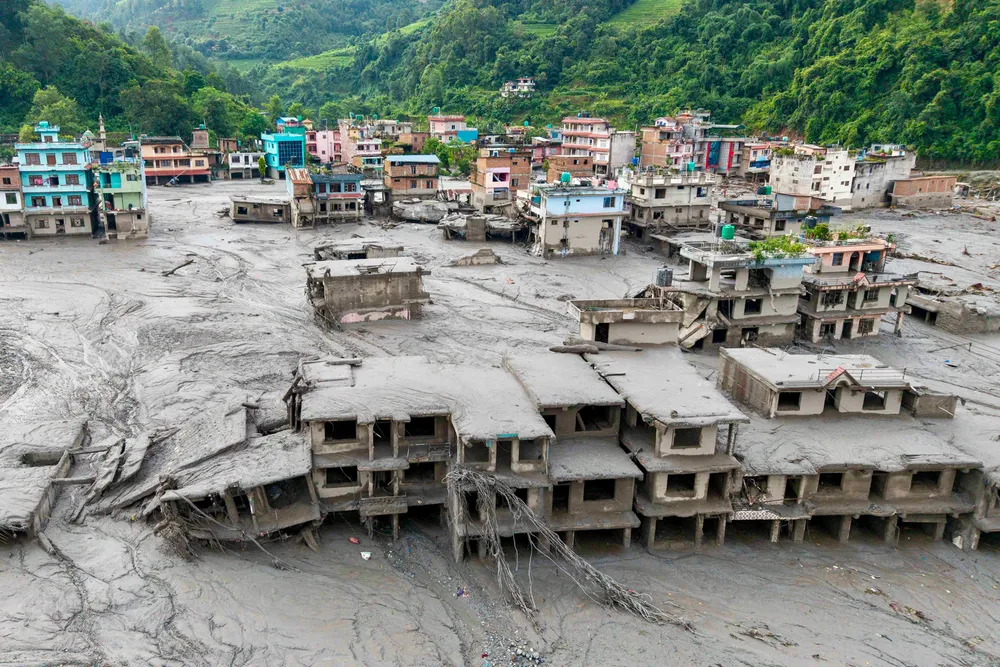
Nepal Flash Flood, 26 August 2026: A Natural Disaster That Demands Awareness
When nature changes in minutes, awareness can save lives.
On 26 August 2026, Nepal witnessed a devastating flash flood along the Bhote Koshi River and surrounding areas, causing widespread destruction and disrupting communities, roads, bridges, hydropower facilities and other critical infrastructure.
The sudden flood affected areas of Rasuwa and downstream regions, with the powerful flow carrying water, mud, rocks and debris through vulnerable settlements. Search-and-rescue and relief operations were launched immediately.
According to Nepal's Ministry of Foreign Affairs, the initial official update on 26 August reported 72 bodies recovered and 403 people from 25 countries reported missing, while authorities stressed that the figures were subject to verification as rescue operations continued.
This tragedy is not only a news event. It is also an important opportunity for students and the wider public to understand flash floods, natural hazards, climate vulnerability, disaster preparedness and the importance of environmental awareness.
What Is a Flash Flood?
A flash flood is a rapid and powerful rise of water that can occur within a very short period, sometimes with little warning.
Unlike many conventional floods that develop gradually, flash floods can move extremely quickly and carry enormous amounts of mud, rocks, trees and other debris.
In mountainous regions such as Nepal, the risk can be particularly serious because of:
* Steep mountain terrain
* Sudden heavy rainfall
* Rapid snow and ice melt
* Landslides and avalanches
* Glacial and river-related hazards
* Narrow river valleys
* Settlements and infrastructure close to rivers
The 26 August event demonstrated how quickly a natural hazard can develop into a major humanitarian and infrastructure crisis.
What Happened in Nepal on 26 August 2026?
A sudden surge of water entered the Bhote Koshi River system from the Tibetan side, triggering severe flooding in Nepal's Rasuwa district and affecting downstream areas.
CARE Nepal reported that the flash flood swept through areas including Timure and Syabrubesi before moving downstream into the Trishuli River, prompting heightened alerts in several districts.
The disaster damaged:
* Homes and settlements
* Roads and bridges
* Hydropower facilities
* Vehicles and other property
* Communication and transport infrastructure
* Riverbank communities
The scale of the disaster also created serious challenges for search-and-rescue teams because damaged roads and bridges made access to affected areas difficult.
Why Was the Flash Flood So Destructive?
The destructive power of a flash flood comes not only from the amount of water but also from the speed and force of the moving water.
In mountainous terrain, a sudden surge can collect:
Water + Mud + Rocks + Ice + Debris → A Highly Destructive Flow
Reports have described the Nepal disaster as involving a powerful flow of water and debris through river corridors and settlements.
The exact triggering mechanism was still being investigated. Early reports considered possibilities including an avalanche, glacial outburst and other geological processes, highlighting the complexity of disaster events in the Himalayan region.
Key Impacts of the Nepal Flash Flood
1. Loss of Human Lives
The most tragic consequence was the loss of human lives. Many others were reported missing as rescue teams continued their operations.
The number of casualties and missing persons continued to change as authorities gathered information from remote and damaged areas.
1. Infrastructure Destruction
Roads and bridges were damaged or washed away, making transportation and rescue operations extremely difficult.
1. Impact on Local Communities
Families living near rivers and vulnerable mountain settlements faced sudden displacement and loss of homes and belongings.
1. Impact on Tourism
Nepal is an important destination for international tourists, trekkers and pilgrims. Foreign nationals were among those reported missing after the disaster.
1. Disruption to Essential Services
Damage to roads, bridges, communication networks and power-related infrastructure created additional challenges for affected communities and emergency responders.
What Can Students Learn From This Disaster?
Natural disasters are not simply geographical events. They connect science, environment, geography, technology, society and human responsibility.
Students can learn about:
Geography
How mountains, valleys and river systems influence flood behaviour.
Environmental Science
How changes in climate, glaciers, rainfall patterns and ecosystems can influence disaster risks.
Disaster Management
Why early-warning systems, evacuation plans and emergency response are essential.
Science & Technology
How satellites, weather monitoring systems, sensors, drones and communication technologies can help detect and respond to disasters.
Social Responsibility
Why helping vulnerable communities and spreading reliable information matters during emergencies.
Key Lessons for Everyone
Awareness Can Save Lives
People living in disaster-prone areas should understand local hazards and know where to move during an emergency.
Never Ignore Official Warnings
During floods, landslides or other natural hazards, people should follow instructions from government authorities and emergency agencies.
Avoid Riverbanks During Sudden Flooding
A river that appears calm can become extremely dangerous within minutes during a flash-flood event.
Do Not Spread Unverified Information
During disasters, rumours and misinformation can create additional panic. Information should be obtained from reliable authorities and recognized sources.
Preparedness Is Better Than Panic
Emergency contacts, evacuation routes, basic supplies and family communication plans can make a significant difference.
How to Stay Safe During a Flash Flood
If you are in an area at risk of flash flooding:
1. Move to higher ground immediately when an official warning is issued.
2. Stay away from rivers, streams, bridges and low-lying areas.
3. Never attempt to walk or drive through fast-moving floodwater.
4. Follow instructions from local authorities and emergency services.
5. Keep essential documents, medicines and emergency supplies accessible.
6. Stay informed through official communication channels.
7. Help children, elderly people and vulnerable individuals evacuate safely.
8. Do not return to an affected area until authorities confirm that it is safe.
Remember: Water may look shallow but can have enough force to sweep away a person or vehicle.
Why Disaster Awareness Matters
At EDUKIRAN, we believe education should extend beyond textbooks and examinations.
Understanding real-world events helps students and society develop:
* Scientific thinking
* Environmental awareness
* Critical thinking
* Social responsibility
* Risk awareness
* Problem-solving ability
* A culture of preparedness
A disaster can teach us an important lesson:
«Knowledge is not only about knowing what happened. It is about understanding why it happened and learning how to respond better in the future.»
Why Choose EDUKIRAN?
EDUKIRAN — Empowering Education, Enriching Life — Since 2002
EDUKIRAN is committed to making knowledge accessible, meaningful and relevant to everyday life.
Through educational content and awareness-focused blogs, EDUKIRAN aims to connect academic learning with real-world developments.
Our approach includes:
Simple Explanation
Complex topics are explained in an easy-to-understand manner.
Knowledge & Awareness
We highlight important events and issues that can enrich public understanding.
Student-Friendly Learning
Our content is designed to help students connect classroom concepts with real-world situations.
Responsible Information
We encourage readers to understand events through reliable information rather than rumours or misinformation
How EDUKIRAN Helps You Learn From Current Events
Step 1 — Understand the Event
We explain what happened in simple language.
Step 2 — Understand the Science
We explore the geographical, environmental and scientific factors behind the event.
Step 3 — Understand the Impact
We examine how people, communities and infrastructure are affected.
Step 4 — Identify the Lessons
We connect the event with education, awareness and everyday life.
Step 5 — Build Awareness
The ultimate goal is to encourage informed, responsible and prepared citizens.
Frequently Asked Questions
What happened in Nepal on 26 August 2026?
A severe flash flood struck the Bhote Koshi River area of Nepal, particularly affecting Rasuwa and downstream communities. It caused deaths, displacement and extensive damage to infrastructure.
What caused the Nepal flash flood?
The precise cause was still under investigation. Initial reports discussed a sudden influx of water and geological events, including possible avalanche or glacial processes. Therefore, the exact trigger should be described cautiously until scientific and official investigations establish it.
What is a flash flood?
A flash flood is a rapid and often sudden flood that develops over a short period and can move with considerable speed and destructive force.
Why are flash floods dangerous?
They can occur with limited warning and may carry large amounts of water, mud, rocks and debris, making escape and rescue extremely difficult.
Can flash floods be predicted?
Modern weather forecasting, river monitoring, satellite observation and early-warning systems can help identify risk, but predicting the exact timing and location of every flash flood remains difficult.
What should people do during a flash flood?
Move to higher ground, stay away from rivers and low-lying areas, avoid travelling through floodwater and follow official emergency instructions.
Why is this event important for students?
The disaster provides an opportunity to understand geography, environmental science, climate-related risks, disaster management, technology and social responsibility.
A Message From EDUKIRAN
The Nepal flash flood reminds us that nature can change rapidly, but knowledge and preparedness can change how we respond.
Education is not only about academic success. It is also about understanding our surroundings, recognising risks, caring for others and becoming responsible members of society.
At EDUKIRAN, we believe that every important event can become an opportunity to learn, understand and create awareness.
Stay informed. Stay aware. Stay prepared.
EDUKIRAN — Empowering Education, Enriching Life — Since 2002
Stay Connected With EDUKIRAN
For more educational articles, current-affairs explainers, awareness content and knowledge-based resources, visit:
Website: www.edukiran.co.in
Have a question or suggestion?
We welcome students, parents, teachers and readers to connect with EDUKIRAN and share their feedback, questions and ideas.
EDUKIRAN
Empowering Education, Enriching Life
Since 2002
Visit: www.edukiran.co.in